Florida's Lottery Promise of 1986: What It Teaches Us About Political Advertising and Amendment 3
Florida's Lottery Promise of 1986: What It Teaches Us About Political Advertising and Amendment 3
Florida voters have heard big promises from political campaigns before. In 1986, it was the Florida Lottery and education funding. In 2026, it's Amendment 3, property taxes, and the future of Florida homeownership. Have we learned anything in 40 years?
Remember When Florida Was Told the Lottery Would Help Fund Education?
I remember the Florida Lottery campaign of 1986. The message was powerful, easy to understand, and emotionally appealing. Florida could establish a state lottery, and the money would help fund public education. Who wouldn't want better schools, more educational opportunities, and additional money for Florida's children?
On November 4, 1986, Florida voters approved the constitutional amendment authorizing the lottery by approximately a two to one margin. Ticket sales began in January 1988. But there was an important distinction between what many voters might reasonably have understood from the campaign's education message and what the government was legally required to do.
The lottery could generate money for education without necessarily increasing total education spending by the same amount.
That's the part of the story I believe every Florida voter should understand.
The Fine Print Behind the Lottery Promise
Here's something fascinating that many Floridians may not know. Before the 1986 lottery vote, the proposed amendment was challenged in the Florida Supreme Court. In Carroll v. Firestone, the court acknowledged a significant issue: Even if lottery proceeds were spent on education, lawmakers could reduce education funding from other revenue sources.
Think about that for a moment.
Suppose the lottery generated $300 million for education. If lawmakers subsequently reduced other education appropriations by $300 million, the lottery would have produced $300 million in education funding without increasing the overall education budget. That example is hypothetical, but the underlying concern was real enough to appear in a Florida Supreme Court decision before voters ever went to the polls. The court ultimately allowed the amendment to proceed.
The important lesson? Money being directed toward a popular cause is not necessarily the same as that cause receiving an equivalent increase in total funding.
Did Florida's Lottery Actually Fund Education?
Absolutely. And that is an important fact. According to the Florida Lottery, more than $49 billion had been transferred to the Educational Enhancement Trust Fund by September 2025. Lottery revenues have supported public schools, colleges, universities, and the Bright Futures Scholarship Program. Those contributions are real. But here's the question I've always believed deserves more attention.
How much additional education funding did the lottery create compared with what Florida would otherwise have spent?
That's a different question from how much money the lottery transferred. Florida's lottery legislation even states that lottery proceeds are intended to support improvements in public education rather than substitute for existing educational resources. The distinction matters because voters deserve to know not only where money goes, but also how government budgeting decisions affect the final result.
What About Those Old Television Commercials?
Those of us who lived through the 1980s remember how influential television advertising was. There was no social media, no instant online fact checking, and no easy way for the average voter to pull up competing analyses of a constitutional amendment. Television commercials could shape public perception with a memorable slogan, an emotional appeal, and a few carefully selected talking points. I've recently been looking back at the Florida Lottery campaign and trying to locate some of the original television advertising.
Interestingly, I've found it easier to locate certain decades old commercial campaigns, including old cigarette advertisements featuring cartoon characters, than to locate some of the original Florida Lottery campaign commercials.
This illustrates another problem: Historical campaign advertising can be difficult for the public to examine decades later. And that makes preserving political advertising, campaign promises, and the actual language of ballot measures especially important.
Because what politicians say in a commercial and what the law actually requires are not always the same thing.
Fast Forward 40 Years: Florida Amendment 3 in 2026
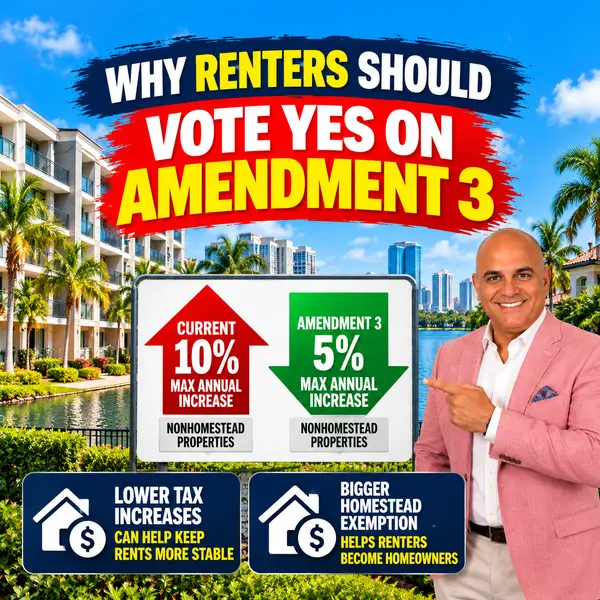
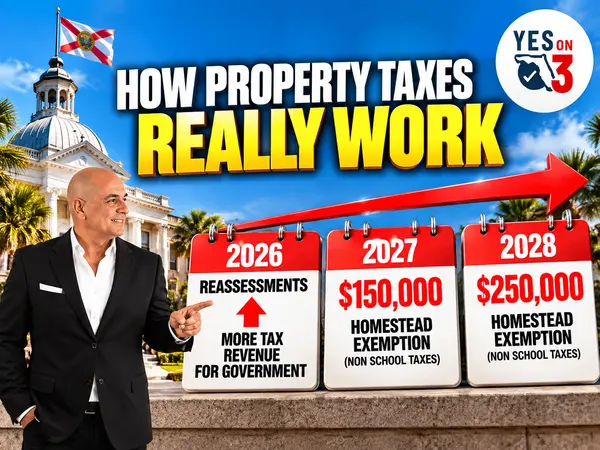
Today, Florida voters are confronting another major constitutional amendment, this time involving property taxes. Amendment 3 proposes increasing the homestead exemption for qualifying homeowners on property taxes other than school district taxes. The proposed schedule would raise the exemption to $150,000 in 2027 and $250,000 in 2028. The proposal also includes a reduction in the annual assessed value increase cap for nonhomestead properties from 10% to 5%.
Supporters argue that these changes would provide property tax relief and help address Florida's growing housing affordability problems.
Opponents raise concerns about the effects on local government revenue, public services, and the possibility of other taxes or fees being used to offset revenue losses. These are legitimate financial questions that deserve detailed answers. But what concerns me most is how quickly a complicated issue can be reduced to frightening television commercials, political sound bites, and claims that many voters may never independently examine.
When Politicians Talk About Essential Services, Ask for the Numbers
Florida homeowners deserve an explanation of how any proposed property tax changes would affect their communities. If a local government says it could lose revenue, voters should ask how much, over what period, and under which assumptions. If officials say police, firefighters, emergency responders, or other essential services could be affected, they should explain the budget decisions that would produce those outcomes. The public deserves more than a frightening prediction without the supporting calculations. And the same standard should apply to anyone promising that a tax amendment will solve Florida's housing affordability problems.
Show us the actual amendment. Show us the budget. Show us the calculations.
Florida taxpayers should never have to rely exclusively on a television commercial to understand the financial consequences of their vote.
Florida Homeownership Is Becoming More Expensive
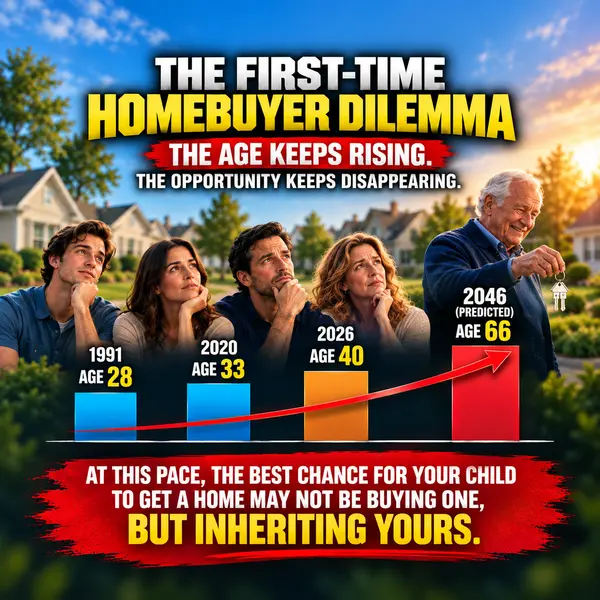
I've been selling Florida real estate since 1991 and have personally sold more than 3,000 homes. I've experienced multiple real estate cycles, including the housing collapse of 2008, and I've watched the financial pressures facing homeowners change dramatically. Today, Florida homeowners are dealing with property taxes, homeowners insurance, maintenance expenses, mortgage payments, and the overall cost of living. For first time homebuyers and communities throughout the Florida, these expenses can determine whether buying a home is financially possible. For retirees and longtime homeowners, rising housing expenses can make remaining in a home increasingly difficult.
Those are real concerns that deserve serious policy discussions. Whether someone supports or opposes Amendment 3, understanding the actual costs, benefits, and tradeoffs is far more valuable than simply repeating what an advertisement says.
The Biggest Lesson From 1986
The Florida Lottery provides an important lesson about the difference between a campaign's central message and the mechanics of government finance. The lottery did generate billions for education. But the legal and budgetary questions surrounding how those revenues would affect overall education spending existed before the amendment passed.
Forty years later, Florida voters should be asking similarly detailed questions about Amendment 3.
What does the constitutional language actually require? How will the changes be implemented? Who receives the financial benefits? What happens to local government budgets? What assumptions are being used in claims about public services. Those questions are more important than whether an advertisement makes someone angry, frightened, or enthusiastic.
Don't confuse a political advertisement with a financial analysis. And don't confuse a campaign promise with a legal guarantee.
My Message to Florida Voters
I have spent more than three decades helping people buy and sell homes in Florida. Homeownership has been my career, and protecting the ability of families to afford housing is an issue I care deeply about. I believe voters should examine Amendment 3 carefully, question claims from both sides, and demand transparency from elected officials. If someone tells you that a particular outcome is guaranteed, ask where that guarantee appears in the amendment. If someone predicts financial disaster, ask to see the calculations. If someone makes a promise about your taxes, ask whether the promise is legally enforceable.
Forty years after Florida voted to establish its lottery, one lesson should be clear: Read beyond the television commercial.
The future of Florida property taxes, housing affordability, and homeownership deserves nothing less.
Vincent Arcuri
Florida Realtor Since 1991 Vote Yes On Amendment 3 November 3rd.
Search Tampa Bay homes at TampaPad.com
Categories
Recent Posts