What Separates a Good Real Estate Agent From a Mediocre One?
What Separates a Good Real Estate Agent From a Mediocre One?
You might read that headline and think, “Here comes a Realtor telling me how great he is.” That’s not what this is about. After 35 years in real estate, I’ve learned that what separates a great agent from an average or bad one has far less to do with awards, sales trophies or how many followers they have on social media. It comes down to knowledge, preparation, communication and whether they are willing to put their client’s interests ahead of their next commission. A good Realtor knows your neighborhood. They know what has sold, what hasn’t sold and why. They understand current interest rates and how those rates affect buying power. They understand property taxes, insurance, inspections, financing and the expenses that come with owning a home. Most importantly, they understand that their responsibility doesn’t end when the contract is signed.
A Realtor Should Understand the Issues Affecting Homeowners
Last month I attended the Florida Realtors convention in Orlando. While I was there, I informally asked agents about Amendment 3, one of the most significant property tax proposals Florida voters have considered in years. I asked 78 agents in a row what they thought about Amendment 3. All 78 essentially gave me the same response: “What’s Amendment 3?” That stunned me.
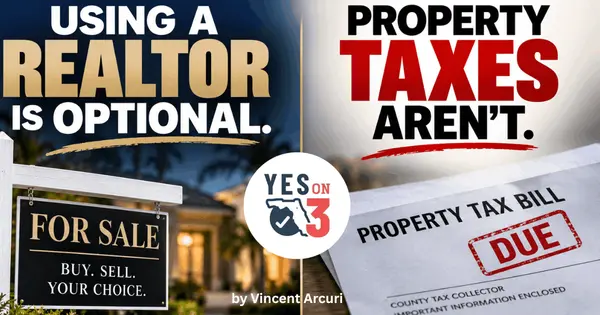
You can support Amendment 3. You can oppose Amendment 3. But if you're a Florida real estate professional advising people on what may be the largest financial investment of their lives, you should at least know what it is and understand how it could affect homeowners, buyers, sellers, landlords and investors. Florida Realtors itself has now formally taken a position supporting Amendment 3. The proposal would increase the homestead exemption for non school property taxes to $150,000 in 2027 and $250,000 in 2028. It would also reduce the annual assessment increase cap on non homestead property, including rentals and commercial property, from 10% to 5%. (Florida Realtors)
Regardless of an agent's personal opinion on the amendment, shouldn't someone advising Florida homeowners understand an issue this significant?
Closing Day Shouldn't Come With a Property Tax Surprise
This is where knowledge really matters. A buyer can look at the property tax bill of the current homeowner and assume that's approximately what they'll pay after purchasing the property. That can be a very expensive assumption.Florida's Save Our Homes provisions can keep a longtime owner's assessed value substantially below current market value. Following a sale, the property may be reassessed under Florida law, which can result in a very different tax bill for the new owner. A knowledgeable Realtor should be discussing that with the buyer before closing, not after the buyer receives a tax bill they weren't expecting. This can be particularly important with new construction. Buyers need to understand whether the taxes they're looking at reflect a completed home or something very different.
Communication Still Matters
One of my biggest frustrations in today's business is poor communication.
A good agent communicates with their client. They return calls. They follow up. They communicate with the other Realtor. They provide feedback after showings. They research problems instead of ignoring them and keep everyone informed when something changes. Real estate transactions involve lenders, title companies, inspectors, appraisers, insurance companies, associations and two sides of a transaction. An agent who doesn't communicate can turn a manageable problem into a disaster.
Beware of “Commission Breath”
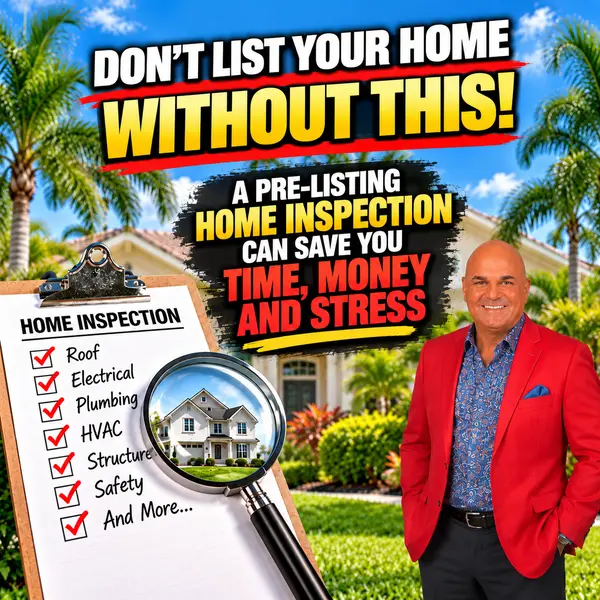
There's an expression in our business called “commission breath.” It's when an agent becomes so focused on getting a transaction closed that protecting the client becomes secondary. That's dangerous. A Realtor shouldn't be afraid of an inspection because it might jeopardize their commission. They shouldn't steer a client toward an inspector because they expect that inspector to overlook problems. They shouldn't minimize legitimate concerns just to keep a transaction together. A home inspection isn't supposed to protect the transaction. It's supposed to help the buyer understand what they're buying. Sometimes the best advice a Realtor can give a client is advice that could cost that Realtor a commission.
That's part of the job.
Does Experience Matter?
Absolutely. But being new doesn't automatically make someone a bad Realtor. Some new agents are outstanding. They're hungry, educated, responsive and willing to work incredibly hard for their clients. The important question is: Who is guiding them when something happens that they haven't encountered before? If you're working with an inexperienced agent, find out whether they have an experienced mentor, team leader or broker actively involved and available when difficult negotiations or unusual problems arise. Real estate has a way of producing situations no textbook or licensing course can completely prepare someone for.
So What Makes a Great Realtor?
It's not the expensive car. It's not the billboard. It's not the social media following. And it's certainly not how loudly somebody tells you they're successful. A great Realtor stays educated. They know the market. They understand the financial issues affecting homeowners. They communicate. They research. They negotiate. They tell clients things they sometimes don't want to hear. And most importantly, they're willing to protect their client's interests even when doing so could cost them a paycheck. When you're hiring someone to help you buy or sell what may be your largest financial asset, don't just ask them how many homes they've sold.
Ask them what they know.
That answer may tell you far more about the Realtor you're hiring.
Categories
Recent Posts