The Tampa Bay Buyer’s Window Is Open. It Won’t Stay Open Forever.
 The Tampa Bay Buyer’s Window Is Open. It Won’t Stay Open Forever.
Why 2026 Could Be Remembered as One of the Best Opportunities to Buy Florida Real Estate
Real estate markets have always moved in cycles. After more than three decades selling real estate in Tampa Bay, I've watched those cycles play out over and over again. Markets become overheated, buyers become frustrated, affordability deteriorates, inventory builds, sellers adjust, and eventually the cycle begins moving in the other direction. Today, I believe Tampa Bay is sitting in one of those unusual windows where buyers have an opportunity that may look very different a few years from now. You can see similar patterns in high growth markets around the country. Tampa, Miami, Phoenix, Las Vegas, Dallas and Austin don't have identical economies or housing markets, but they share characteristics that can make them particularly sensitive to migration, new construction, interest rates and affordability. When people are moving into these areas rapidly, demand can overwhelm supply. Builders respond. Prices rise. When affordability deteriorates and migration slows, inventory can accumulate and buyers suddenly have choices again. That's essentially where we find ourselves today in much of the Tampa Bay real estate market. There are more homes competing for buyers, sellers are negotiating, and buyers who are financially prepared have leverage they haven't enjoyed in years.
So Why Aren't More People Buying?
The answer is affordability. Buying a home isn't simply about the asking price. Florida buyers have been hit from several directions at once. Mortgage interest rates, property taxes and Florida homeowners insurance have all contributed to the monthly cost of homeownership. Add general economic uncertainty and the rising cost of everyday life, and it's easy to understand why some prospective Tampa Bay home buyers have remained on the sidelines. But here's the question I think buyers should be asking: What happens if several of those headwinds begin changing at roughly the same time? That's where things could get very interesting.
Tampa Bay Could Be Sitting in the Middle of a Perfect Storm
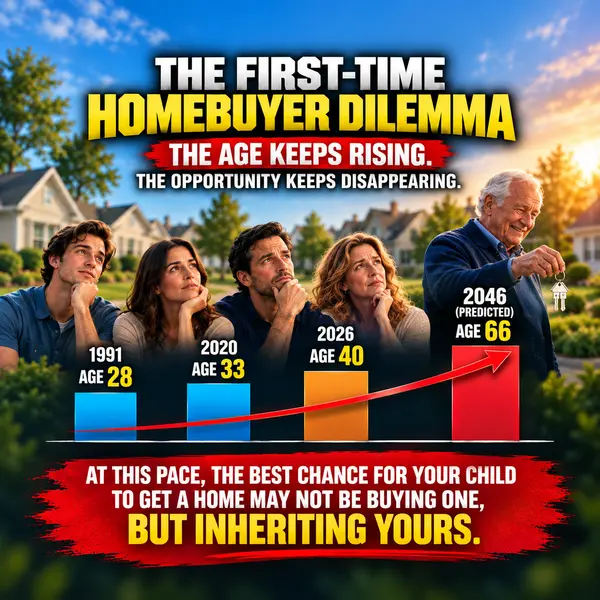
Think about the number of potential buyers who haven't disappeared. They're simply waiting. Some are waiting for mortgage rates to come down. Some are waiting for Florida homeowners insurance to become more manageable. Some existing homeowners would like to move up or downsize but don't like the economics of giving up their current situation. Some renters would love to become first time home buyers but haven't been able to make the numbers work. That represents enormous potential demand sitting on the sidelines. If economic conditions improve, mortgage rates decline and insurance costs become more manageable, even gradually, some of those buyers could reenter the market. If Florida property tax reform also reduces the cost of homeownership for qualifying homesteaded properties, that could add another affordability factor. No one can guarantee that all of these things will happen, or that they'll happen simultaneously. But buyers should understand what could happen to today's negotiating environment if demand begins returning faster than housing supply can respond.
Amendment 3 Could Become Another Piece of the Affordability Puzzle
This is one of the reasons I've been such a vocal supporter of Florida Amendment 3. If Amendment 3 passes and the increased homestead exemption ultimately reaches $250,000 as proposed, qualifying Florida homeowners could see a significant reduction in the taxable value subject to the affected property taxes. The exact savings would vary by property, location, assessed value and applicable taxes, and the proposal doesn't eliminate every component of a property tax bill. But the larger economic question fascinates me. What happens when homeownership becomes more affordable at the bottom of the housing ladder? A renter becomes a first time home buyer. The seller of that starter home moves into a larger house. The owner of that house moves into another property. Someone downsizes. Someone relocates. Someone builds. One transaction can help create another. That's the domino effect of a functioning housing market.
Real Estate Doesn't Operate in a Vacuum
When a home sells, the economic activity doesn't stop at the closing table. People hire movers. They paint. They replace flooring. They remodel kitchens. They buy furniture and appliances. They landscape their yards. They hire electricians, plumbers, roofers, HVAC contractors, pool companies and handymen. New construction supports another enormous network of trades, suppliers and businesses. That's why housing has such a broad relationship with the economy. A healthy real estate market creates economic activity far beyond Realtors, mortgage companies and title companies.When homeowners begin moving again, that activity spreads throughout the community.
The Buyers Waiting for Better Conditions May Eventually Become Your Competition
This is what today's buyer needs to understand. You're not the only person watching mortgage rates. You're not the only person waiting for affordability to improve. You're not the only person thinking, “I'll buy when things get better.” The problem is that when things become obviously better, everybody else knows it too. If lower rates allow substantially more people to qualify for mortgages, if insurance conditions improve and if property tax relief reduces carrying costs for qualifying homeowners, today's sidelined buyers can become tomorrow's competition. That's when the leverage can shift. Today's seller who is willing to negotiate on price may not have to negotiate as aggressively. The seller willing to contribute toward closing costs may have another buyer who doesn't need the contribution. The house that has been sitting for 60 days may suddenly receive multiple offers. That's how quickly the psychology of a real estate market can change.
Today's Tampa Bay Buyer Has Something Valuable: Choices
For years, buyers complained that they couldn't find a house. Then they'd find one and compete against multiple offers. Inspection requests were difficult. Seller concessions were scarce. In the hottest parts of the market, buyers sometimes had to make uncomfortable decisions simply to compete. Today, Tampa Bay home buyers have choices. There are homes to look at. There is inventory to compare. Sellers are negotiating. Inspection issues can become part of the conversation again. Seller paid closing costs may be available in some transactions. Buyers can negotiate price and terms. That is valuable, and it won't necessarily exist when everybody decides it's finally a “good time to buy.”
Affordable Tampa Bay Homes Still Exist
One of the things I hear constantly is that there are no affordable homes left in Tampa Bay. Affordable is obviously relative. A $450,000 home isn't affordable to everyone. But compared with many other desirable metropolitan markets around the country, there are still opportunities in Tampa Bay. You can still find three bedroom, two bathroom single family homes, including some homes with swimming pools, below $500,000 in parts of the Tampa Bay market. Think about that in the context of a growing metropolitan area with professional sports, major employment centers, an international airport, universities, hospitals, beaches, year round recreation and continued interest from people relocating to Florida. Will those opportunities still exist five or ten years from now? Nobody knows. But I wouldn't automatically assume they will.
The Biggest Mistake May Be Waiting Until Everyone Agrees It's a Great Market
Here's something I've learned since I started selling Tampa Bay real estate in 1991. When everybody agrees that real estate is a fantastic investment, you've usually already missed the easiest buying opportunity. The best opportunities often feel uncomfortable while you're standing in the middle of them. In a seller's market, everybody wants to buy because prices are rising, even though buyers have almost no negotiating leverage. In a buyer's market, people become afraid to buy because the headlines aren't exciting, even though they suddenly have choices and negotiating power. That's human nature. But successful real estate decisions aren't made by simply following the crowd. They're made by looking at price, affordability, inventory, supply and demand, financing, property condition, location and your own long term objectives.
Imagine Looking Back at 2026
Imagine it's several years from now. Mortgage rates have declined. Florida's insurance market has improved. Property tax reform has reduced carrying costs for qualifying homeowners. Migration into Florida continues. Buyers who postponed purchases start entering the market again. And the Tampa Bay house you could have purchased in 2026 is considerably more expensive. Will that happen? I don't have a crystal ball, and neither does anybody else. But here's what I do know. You can't go back and buy the house at yesterday's price. That's why buyers should evaluate the opportunity that's actually in front of them instead of waiting for a hypothetical perfect market.
This May Be the Window
I've been selling Tampa Bay real estate for more than three decades, through recessions, booms, the housing crash, short sales, foreclosures, historically low interest rates, bidding wars and everything in between. Other than the extraordinary buying opportunities around 2010, 2011 and 2012, today's combination of inventory, seller motivation and negotiating leverage makes this one of the more interesting buyer opportunities I've seen. That doesn't mean everyone should run out tomorrow and buy a house. If you can't afford the payment, don't buy it. If you're uncertain about your employment or finances, don't let anybody pressure you into a transaction that doesn't make sense. But if you can afford to buy, have been waiting for the right Tampa Bay home and expect to remain in the property long enough for homeownership to make sense, don't automatically assume waiting will put you in a better position. Because the perfect time to buy usually becomes obvious only after it's gone.
Thinking About Buying a Home in Tampa Bay?
If you're considering buying a home in Tampa, Lutz, Odessa, Carrollwood, Wesley Chapel, Land O' Lakes, New Tampa, St. Petersburg, Clearwater or anywhere in the Tampa Bay area, now is a good time to understand exactly what your options are. Whether you're a first time home buyer, relocating to Tampa Bay, moving up, downsizing, searching for a pool home, purchasing luxury real estate or investing in Florida real estate, today's Tampa Bay housing market offers buyers negotiating opportunities that may not last forever. I've been helping buyers and sellers navigate Tampa Bay real estate since 1991, and I can also connect buyers with experienced mortgage professionals who can explain current financing, mortgage programs and lending options based on their individual circumstances. Don't wait until everybody else decides it's time to buy. By then, they may be competing with you.
Vincent Arcuri | Real Broker LLC | 813 VINCENT | 813 846 2368 | Search Tampa Bay homes: TampaPad.com
And now we're ready for the thumbnail. I still think “THE WINDOW IS OPEN. BUT FOR HOW LONG?” is killer for this one because it creates urgency without trying to cram the whole blog onto the graphic.
Categories
Recent Posts